Making Science Fun!

I’m a marine biologist combining my academic knowledge and my love of painting to create a science communication blog. Follow me to learn more about our blue planet!
Latest Posts:

Categories:

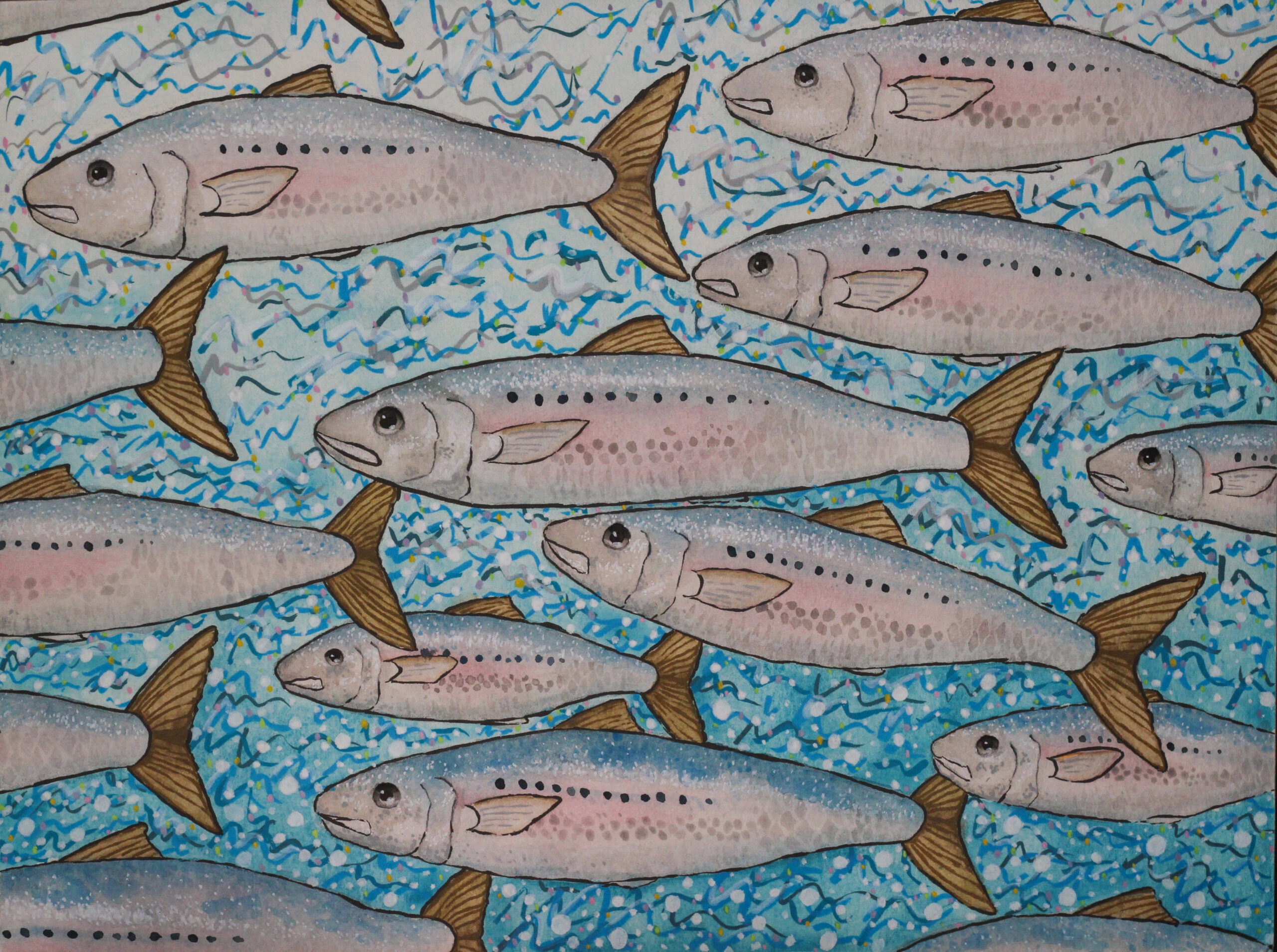
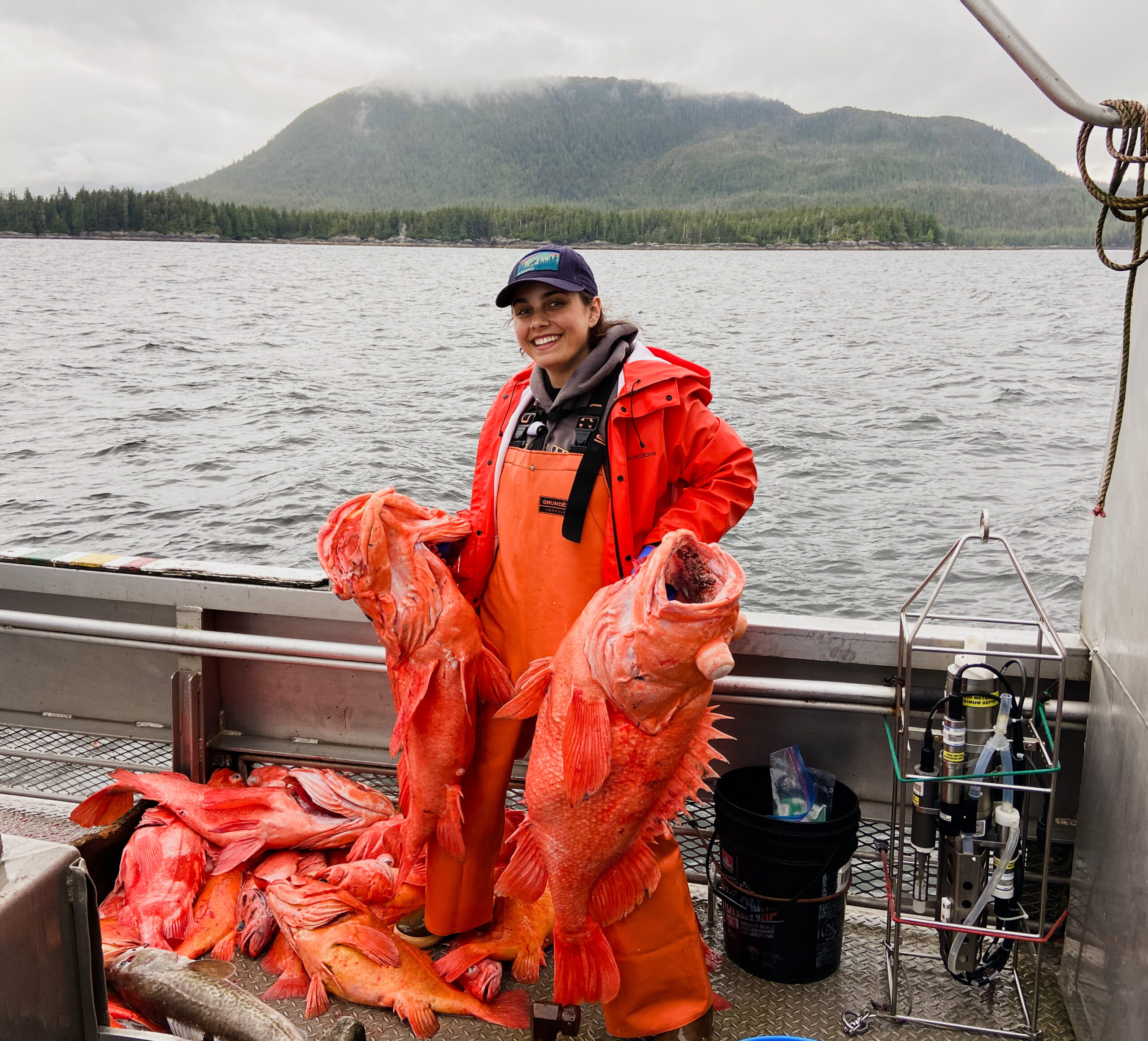
A painted image by LivInSeas of a school of sardines. The background is a blue-teal gradient, featuring blue squiggles, large white spots, and smaller, colored dots. The sardines have brown fins and greyish bodies. The tops of their bodies are blue, with white dots forming a shine effect. The mid-body is pink, which transitions to a grey belly. The sardines have black dots running down their body above the pink. The bottom of the fish have slightly darker stripes and dots, which resemble scales. The sardines have dark, shiny eyes.This image features LivInSeas standing on a boat. She's wearing orange fishing overalls and an orange waterproof fishing jacket, with a navy blue ball cap on her head. It's a cloudy day, and the ocean is grey. In the background is a small mountain. She is holding two extremely large, bright orange rockfish (30 pounds each), one in each hand. At her feet is a large number of other orange rockfish.

Guides

How does a marine biologist stay sustainable? Here are my favorite tips and tricks!
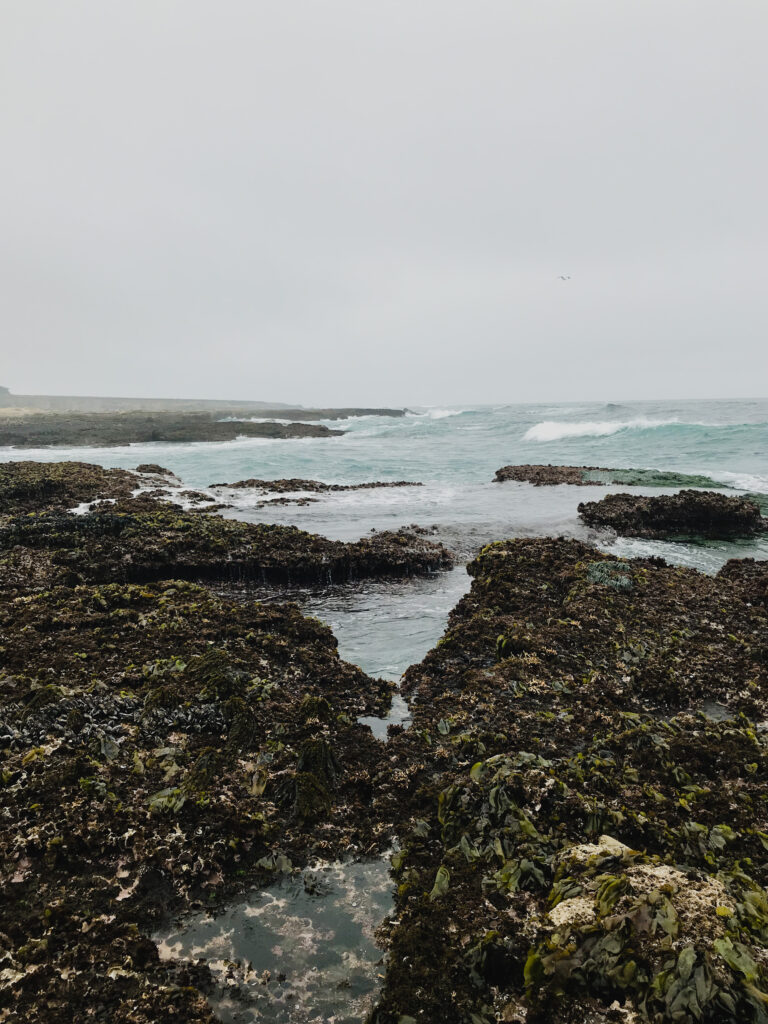
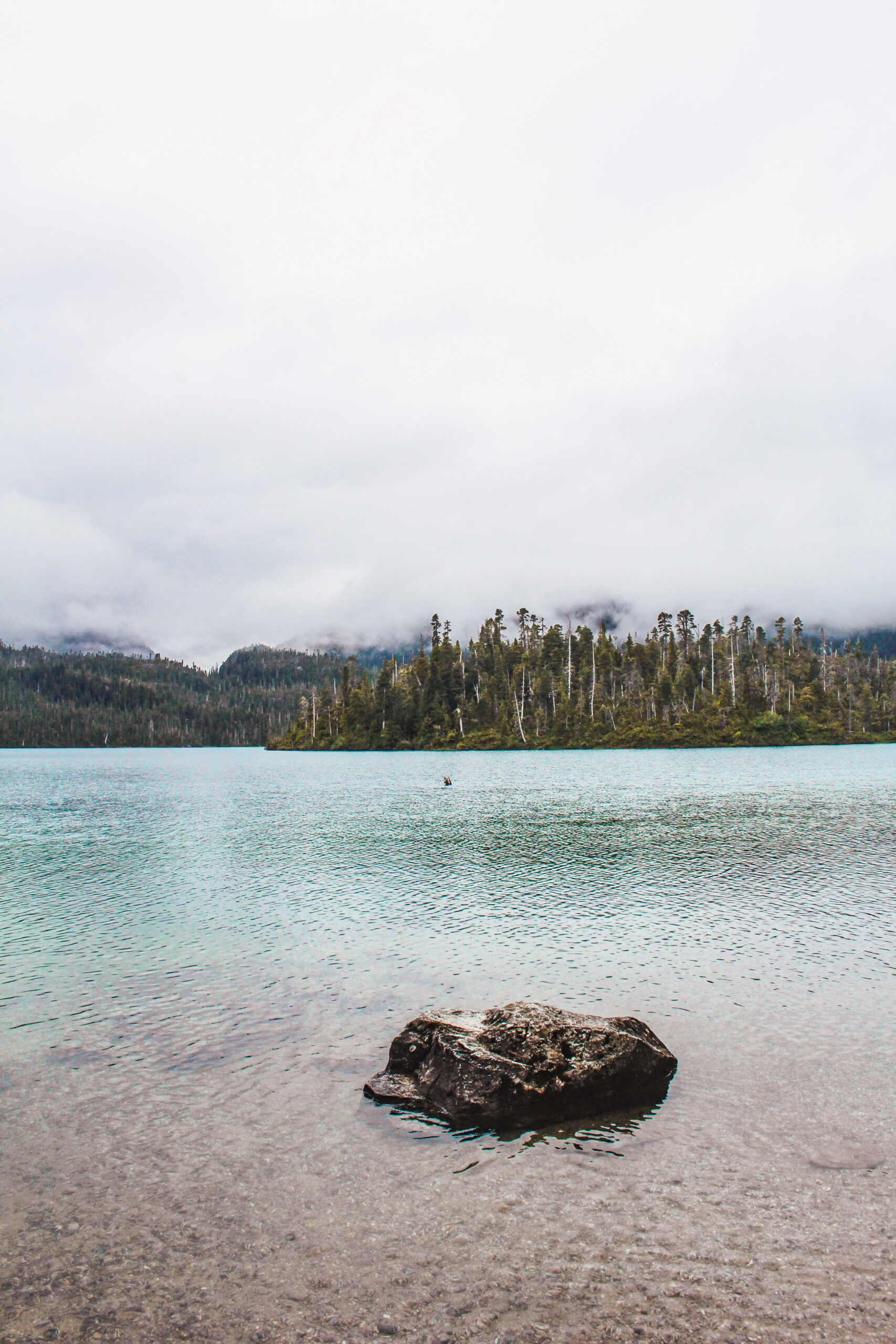
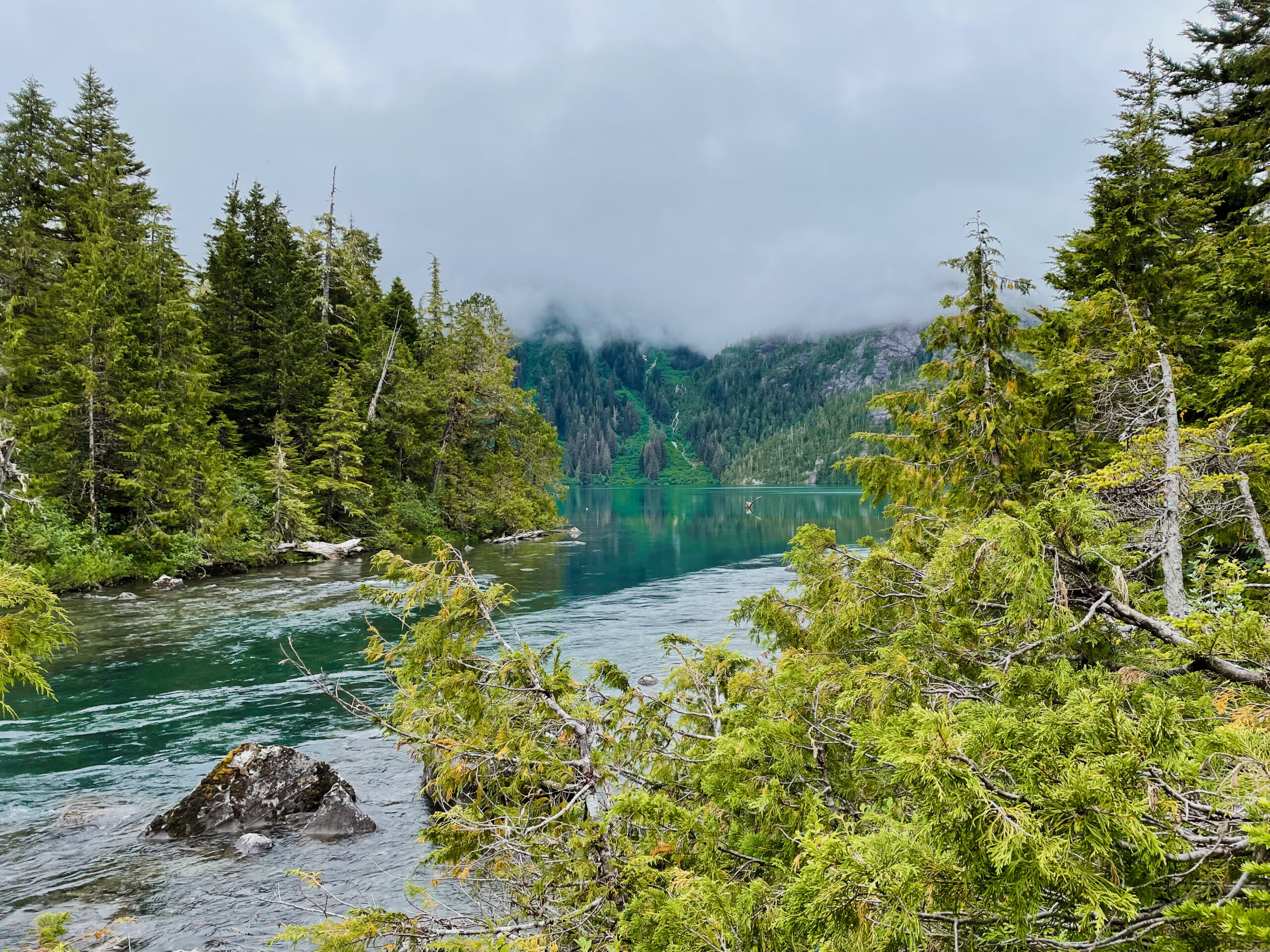
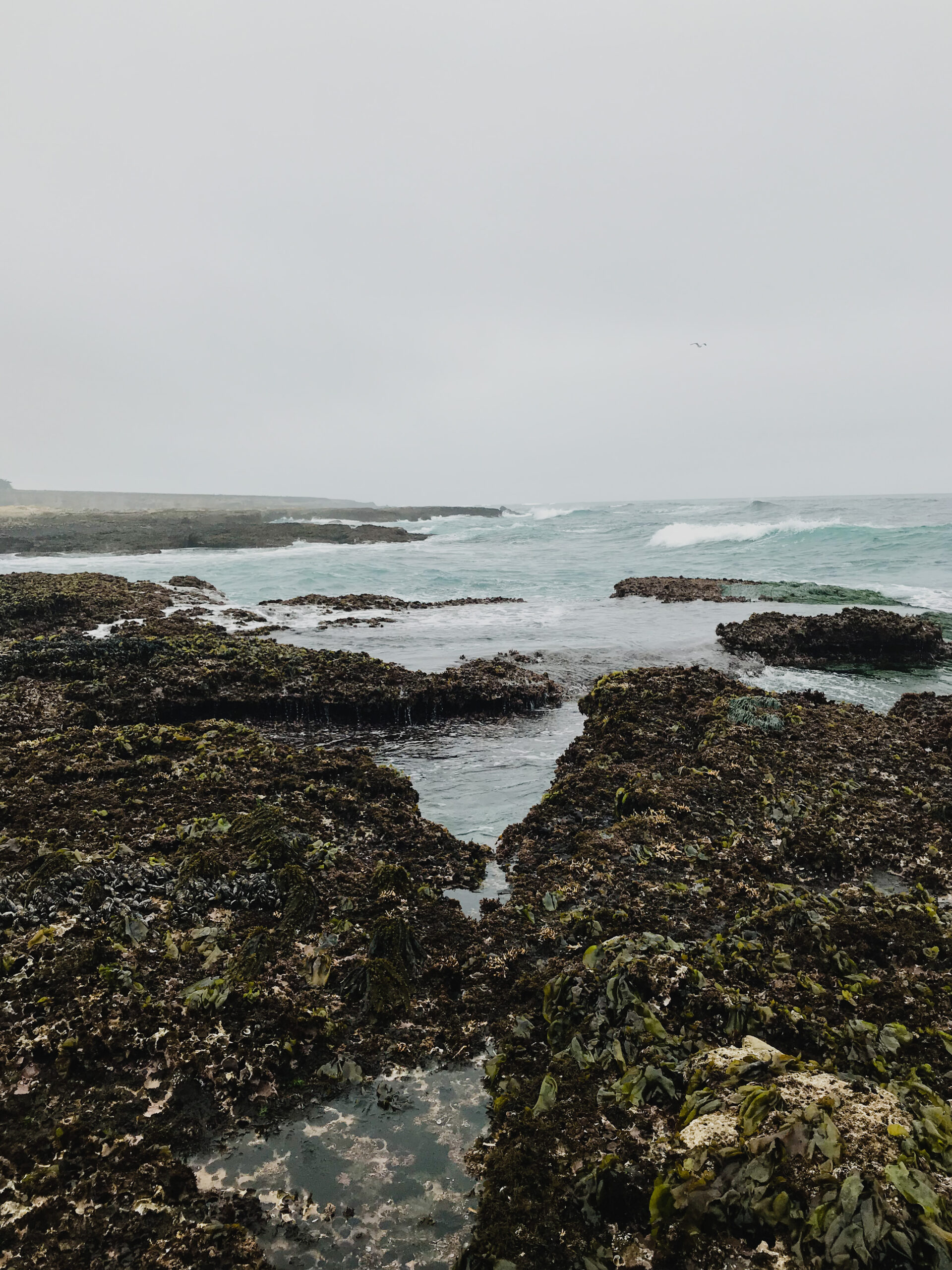
This image was taken near where a lake flows into a river. It was captured on Sitka Island, Alaska, and the lake is surrounded by bright green, evergreen trees representative of the boreal forest in the region. The water is dark blue-green, reflecting the nearby trees. The sky is very overcast. In the foreground of the photo is a bright green tree, and trees of a similar color line the other bank of the river.This image was captured by the seaside. It is a cloudy, foggy day. The water appears to be a muted teal in front, but in the foreground is a swath of algae-covered rocks. In the very bottom of frame is a tide pool, surrounded by algae growing on the rocks. The algae is turning the rock formations a muddy greenish-brown color, and the image is muted due to the cloud cover. This image was captured at a tidepooling site in central California, near San Luis Obispo, California.

Science Explained

Breaking down policy and scientific articles into easily-digestible summaries.

A painted image by LivInSeas of a school of sardines. The background is a blue-teal gradient, featuring blue squiggles, large white spots, and smaller, colored dots. The sardines have brown fins and greyish bodies. The tops of their bodies are blue, with white dots forming a shine effect. The mid-body is pink, which transitions to a grey belly. The sardines have black dots running down their body above the pink. The bottom of the fish have slightly darker stripes and dots, which resemble scales. The sardines have dark, shiny eyes.

5 Steps to Sourcing Sustainable Seafood

  1. Use the Seafood Watch search feature.
  2. Use this tool to check the sustainability of wild-caught and farmed seafood options.
  3. Find sustainable Seafood Watch partner restaurants or ask restaurant staff for more information on seafood options.
  4. Check out your local seafood markets!
  5. Learn more about what factors make fisheries and aquaculture sustainable in my article below:
Sustainable Seafood Guide
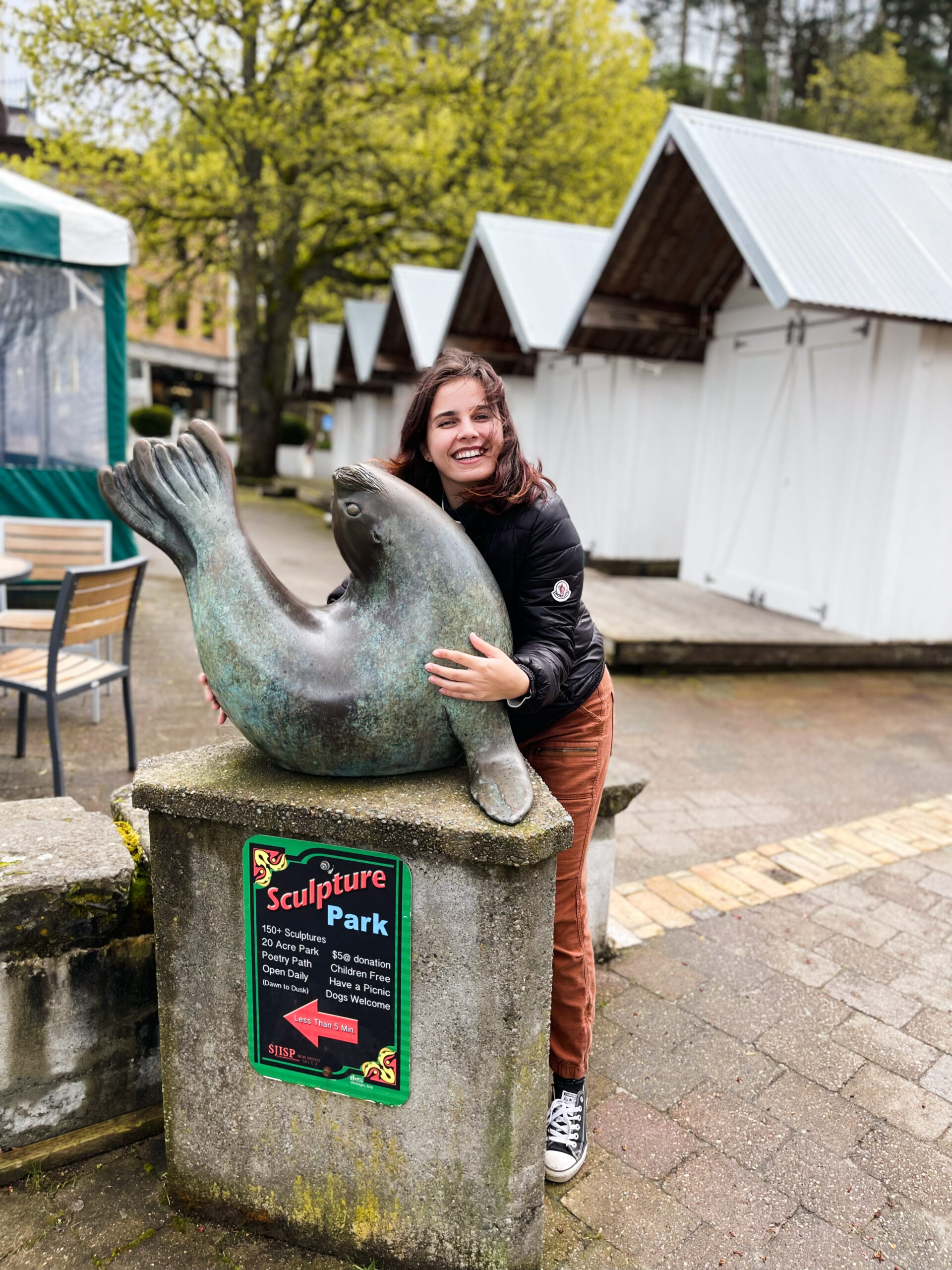
The image features a woman (who is me, LivInSeas, the creator of this website) standing next to a statue of a seal. The seal statue is resting on its belly, with its flippers out for balance. Its tail and head are curled into the air, making it form a seal pose. The woman is standing next to it, cradling it with both arms. She is wearing dark blue converse, tan pants, and a lightweight black puffer coat. Her hair is medium length, just past her shoulders, and is brownish red in color. The wind is blowing it across her face, and she is smiling with her eyes nearly fully shut. The background is not very interesting, some buildings, a brick walkway, and trees.

Hello, I’m glad you’re here!

I’m a fisheries scientist-turned-seafloor ecologist. I’ve loved the ocean since I was a small child, and I’m excited to share my passion here!