Skip to content
  • Home
  • BlogExpand
    • All Posts
    • Species Spotlight
    • Info Center
    • Guides
    • Science Explained
  • About
  • Gallery
  • ContactExpand
    • Contact Me!
    • Privacy Policy
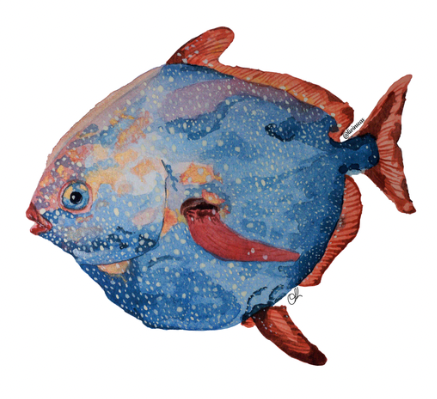
A painting of a smalleye Pacific Opah. It's a blueish fish with a spherical body from a side view, with bright red fins. The mouth is almost beak-like, and a large eye looks at the viewer.

LivInSeas

All things marine biology

Facebook Instagram Pinterest TikTok Tumblr Reddit
A painting of a smalleye Pacific Opah. It's a blueish fish with a spherical body from a side view, with bright red fins. The mouth is almost beak-like, and a large eye looks at the viewer.
LivInSeas
All things marine biology
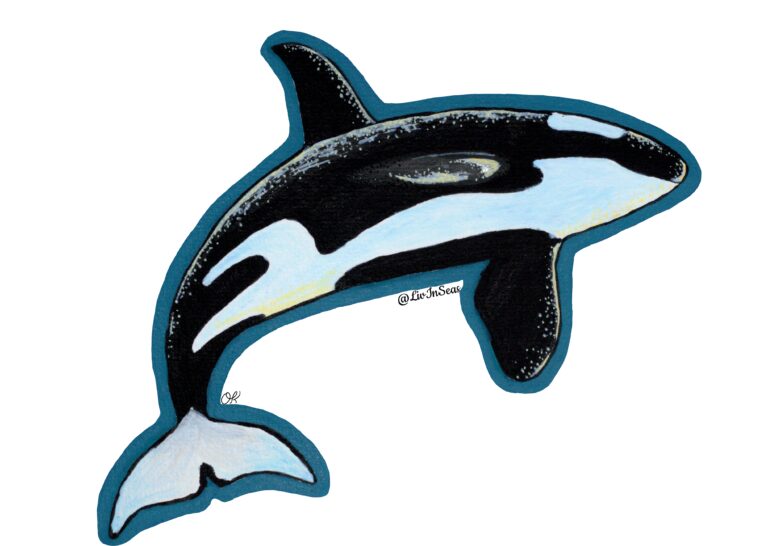
  • An illustration of an orca by LivInSeas, done with acrylic marker. The orca is leaping to the left, its body arcing and its tail pointed downwards. The orca's belly is visible, white running down the mid section. One fin is pointed downwards, the other is out to the side. The orca has glossy yellow highlights running down its back, along the front of its dorsal and pectoral fins, and along its belly. The orca is surrounded by a teal border.
    Species Spotlight

    Species Spotlight: Northeast Pacific Orca Ecotypes

    ByLivInSeas 20 July, 202620 July, 2026

    Read More Species Spotlight: Northeast Pacific Orca EcotypesContinue

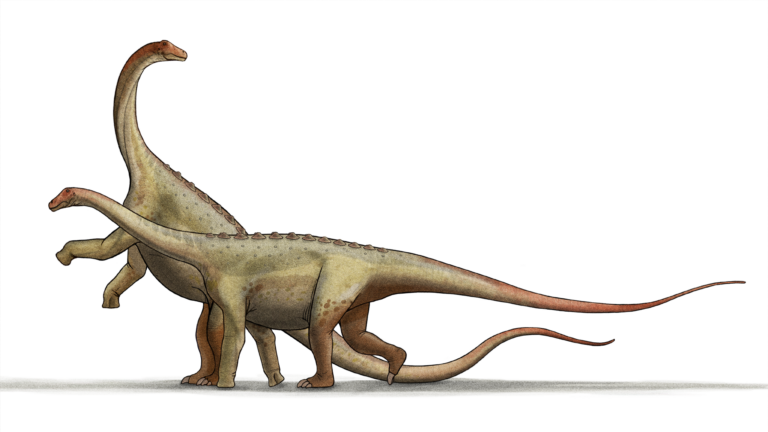
  • An illustration of two sauropods (Saltasaurus) moving towards the left of the screen. The one in the foreground is walking on all fours, the one in the background has reared up on its hind legs. Both dinosaurs have reddish tints to their faces, tails, and hind legs, while the rest of their bodies are greenish-brown in color. The dinosaurs have a few short, stumpy spines running down their backs. The dino's necks and tails are very long, while their legs are short compared to the length of their body.
    Science Explained

    40 Years Later: The Rediscovery of the First Dinosaur Bone Found in Antarctica

    ByLivInSeas 19 July, 202619 July, 2026

    Read More 40 Years Later: The Rediscovery of the First Dinosaur Bone Found in AntarcticaContinue

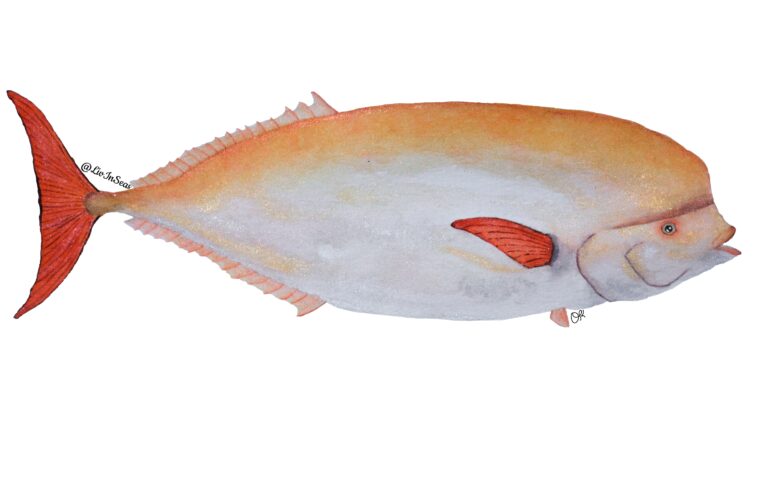
  • A watercolor painting of a louvar fish by LivInSeas. The louvar has a torpedo shape with a beluga-like rounded head. There's a shaded crease where this rounded head meets the face. The louvar is orange-silver, with the orange color reflecting more from the top of the fish, and the grey-silver color across the midbody/bottom of the fish. The pectoral and caudal (tail) fins are bright blood-orange/red. The dorsal and anal fins stretch from almost the tail of the fish to about 1/3 uup the body, and are much lighter in color, with only faint red fin rays and grey in between each ray. The pelvic fin is very small, and a similar faint reddish-grey to the dorsal and anal fins. The lips of the fish are reddish, and look a bit parrot-like. The eye is smaller, and surrounded by reddish coloration.
    Species Spotlight

    Species Spotlight: Louvar

    ByLivInSeas 15 July, 202617 July, 2026

    Read More Species Spotlight: LouvarContinue

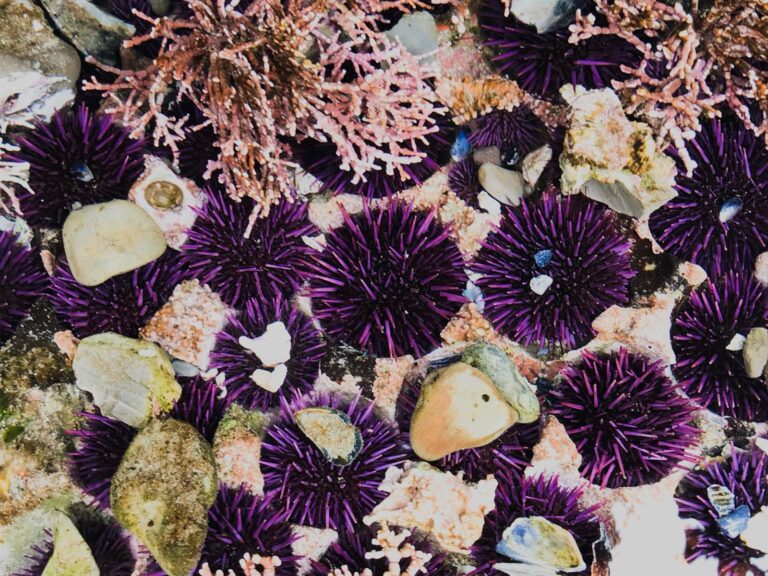
  • A group of Pacific Purple Sea Urchins sitting in carved-out holes in rocks in the intertidal zone. Some are holding objects (rocks, pieces of shells) on top of them for protection. Some red, coralline algae sits in the top left and right of the image. drifting with the current.
    Info Center

    A Case Study of Unbalanced Ecosystems: The California Kelp Forest

    ByLivInSeas 7 July, 20268 July, 2026

    Read More A Case Study of Unbalanced Ecosystems: The California Kelp ForestContinue

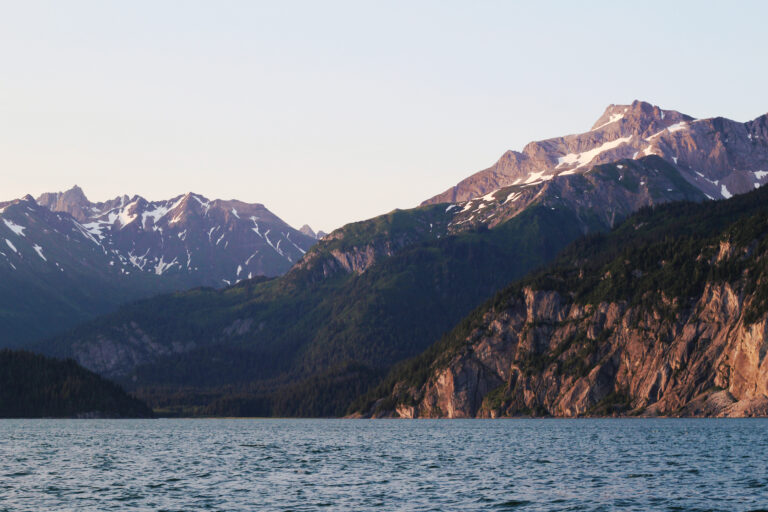
  • An image captured of mountains rising from the sea in Glacier Bay, Alaska. The sea in the foreground is a soft blue color. The mountains appear to be reflecting the sunset, with a faint pinkish tone. A wall of steep rock rises from the sea on the right side of the screen, covered in green trees on the top. Another mountain rises at a similar angle behind it, with patches of snow at the very top. The bottom is covered in trees, which fade with increased elevation. Behind these two mountains in the distance is a third mountain, broader and with larger patches of snow at the very top. The sky is clear, but is a soft blue/yellow color.
    Info Center

    Marine Protected Areas Benefit You, Me, and the Sea

    ByLivInSeas 15 May, 202614 July, 2026

    Read More Marine Protected Areas Benefit You, Me, and the SeaContinue

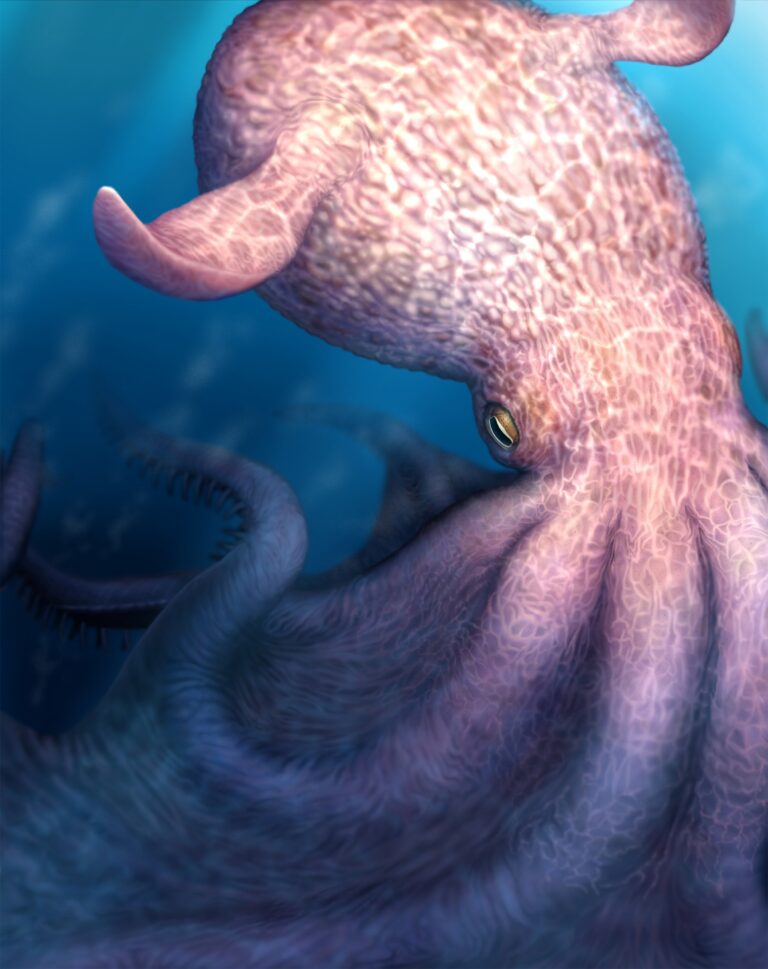
  • An illustration of the giant, cretaceous octopus. The octopus's skin is somewhat purple, and it has a large, wrinkled mantle with two fins curling off the side like floppy rabbit ears. The ocean is dark blue, and the squids tentacles arch to the left side of the screen, curling up slightly.
    Science Explained

    A New, Ancient Monster Uncovered: The Cretaceous Kraken

    ByLivInSeas 30 April, 202630 April, 2026
    Read More A New, Ancient Monster Uncovered: The Cretaceous KrakenContinue

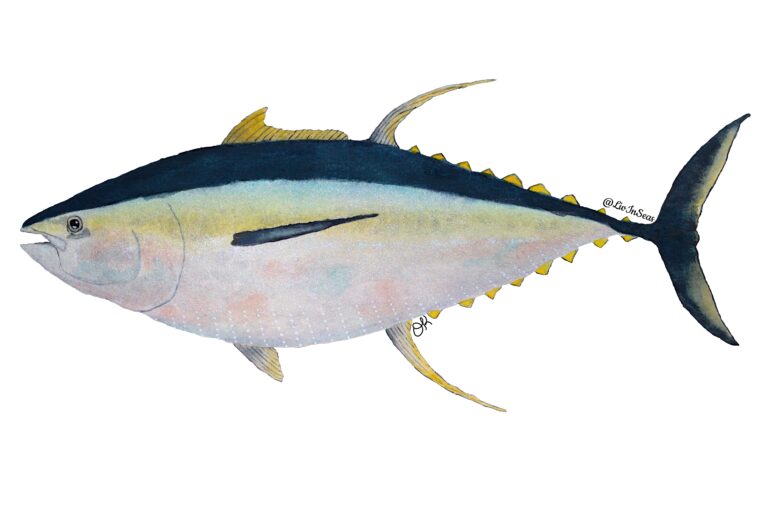
  • A watercolor painting of a yellowfin tuna by LivInSeas. The tuna has a torpedo shape, with a wide mid-body. It has a stripe of dark blue running down the top of its body. Below the distinct stripe is a gradient from teal to yellow, then a grey/silver lower body. The lower body also has many vertical stacks of white dots running up the belly. The fins are mostly yellow, with a long second dorsal fin and anal fin which extend far off the body, curving backwards. The pectoral fin running down the side of the body is dark blue.
    Species Spotlight

    Species Spotlight: Yellowfin Tuna

    ByLivInSeas 25 April, 202614 July, 2026

    Read More Species Spotlight: Yellowfin TunaContinue

  • Why Are Fish Ringing Doorbells in the Netherlands?
    Info Center

    Why Are Fish Ringing Doorbells in the Netherlands?

    ByLivInSeas 21 April, 202614 July, 2026

    Read More Why Are Fish Ringing Doorbells in the Netherlands?Continue

  • An underwater photo. The image features a bull shark in the center of the frame, swimming to the right. Several more sharks are present in the frame, but not the focus of the image. The other sharks swim mostly towards the right of the frame. The frame also includes smaller, striped fish surrounding all the sharks. In the background, a scuba diver is visible swimming into frame.
    Science Explained

    Shark Friendships? New Research Uncovers Social Dynamics of Bull Sharks

    ByLivInSeas 17 April, 202614 July, 2026

    Read More Shark Friendships? New Research Uncovers Social Dynamics of Bull SharksContinue

  • What Makes Seafood Sustainable?
    Info Center

    What Makes Seafood Sustainable?

    ByLivInSeas 14 April, 202614 July, 2026

    Read More What Makes Seafood Sustainable?Continue

Page navigation

1 2 Next PageNext
Facebook Instagram Tumblr Pinterest TikTok

Blog

  • Species Spotlight
  • Guides
  • Info Center
  • Science Explained

Menu

  • Home
  • About
  • Gallery
  • Contact
  • Privacy Policy

© 2026 LivInSeas - WordPress Theme by Kadence WP

  • Home
  • Blog
    • All Posts
    • Species Spotlight
    • Info Center
    • Guides
    • Science Explained
  • About
  • Gallery
  • Contact
    • Contact Me!
    • Privacy Policy
Search