A Case Study of Unbalanced Ecosystems: The California Kelp Forest
What happens to an ecosystem when its apex predators are removed or drastically reduced in number? The ecosystem grows so unbalanced that natural orders experience catastrophic change.
As air-breathing, land-dwelling humans, these impacts are most easily observed by general audiences in terrestrial ecosystems. One of the most well-known examples of this phenomena was the eradication, and subsequent re-introduction, of wolves in Yellowstone National Park in the United States.
After apex predators including wolves were removed from the park, the populations of grazing species lower on the food chain exploded. The vegetation regime shifted, beaver populations decreased, and both terrestrial and aquatic ecosystems were fundamentally altered. However, following the reintroduction of wolves in the 1990’s, the ecosystem rapidly began to reset, shifting back towards its natural state.
While less visible, these same changes also occur in marine ecosystems. Several cases of the reduction or removal of a population, and subsequent catastrophic impacts, have been widely documented over the years.
This includes the decline of Pacific kelp forests. The decline of several important predator species, including sea otters, sunflower sea stars, and California sheephead, has put some of our planet’s most beautiful and productive ecosystems at risk of vanishing.
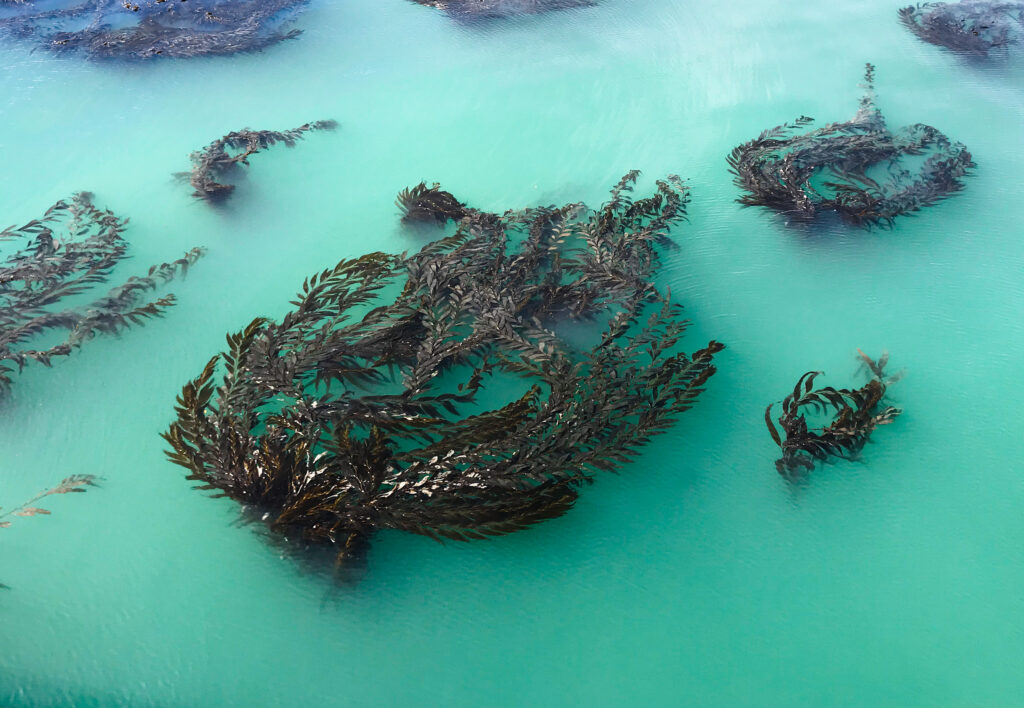
Kelp floating in a turbid Pacific next to the Cal Poly research pier in Avila Beach, California. Photo captured by me, ©LivInSeas, 2019
Keystone Species:
In ecology, a “keystone species” is defined as an organism whose role (or “niche“) is fundamental for maintaining basic ecosystem function. The term refers to the keystone, or center stone, of an arch. If that stone were removed, both sides of the arch would lose support and collapse. A keystone species is one whose impact far outweighs what is expected from its abundance or relative biomass.
The concept is not frequently used in a formal setting, as ecosystems are a complex total of many moving parts. But, it is an effective term to generally communicate the importance of a specific organism’s role within an ecosystem.
The term originated from zoologist Robert T. Paine’s study of food web (trophic) dynamics in intertidal ecosystems. In his study, Paine sustained the removal of a predatory starfish species, Pisaster ochraceus (ochre sea star), across a span of intertidal shoreline for three years.
Throughout the experiment, Paine noted a rapid expansion of mussel populations (Mytilus spp.). Mussels crowded out other organisms, including several barnacle and algae species. Payne noted that the removal of a single species dramatically changed the ecosystem, and resulted in the collapse of normal function. This study led him to develop the concept of a keystone species.
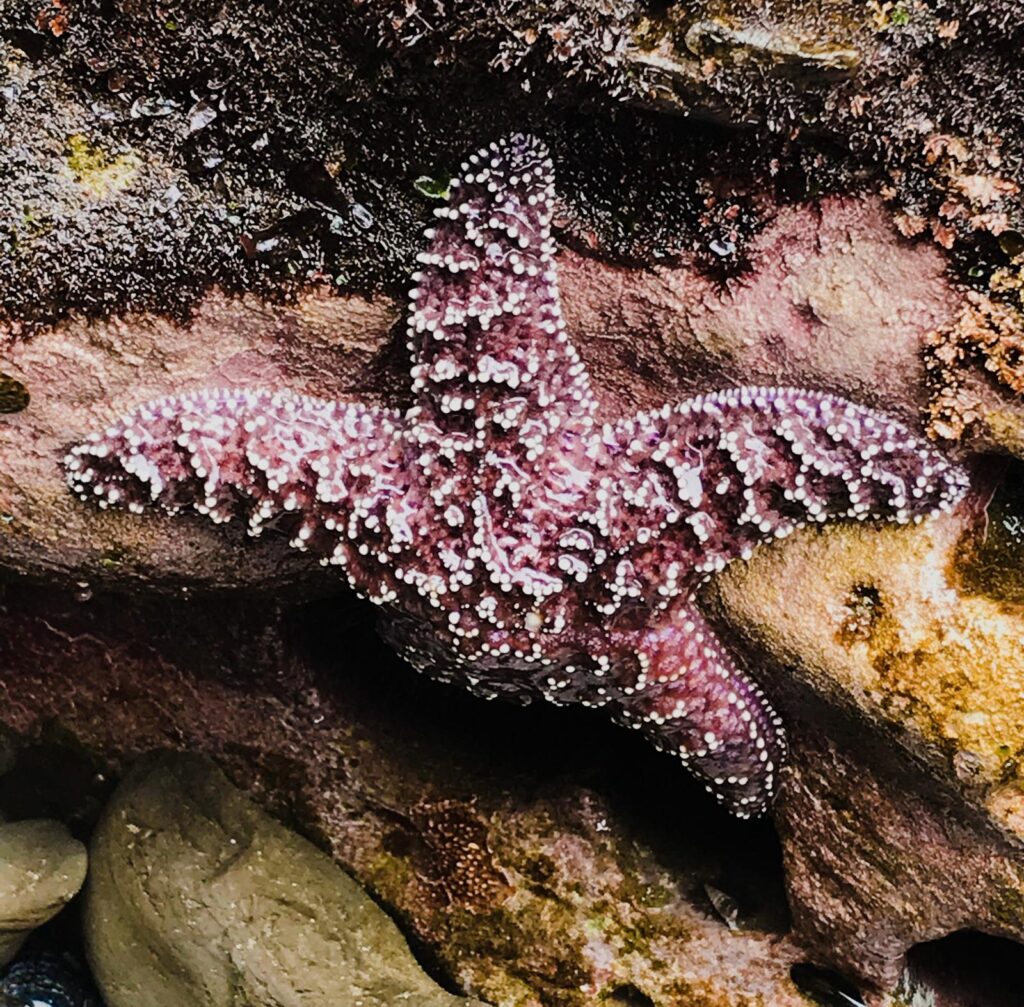
An ochre sea star (Pisaster ochraceus) on a rock in the intertidal zone in Montaña de Oro State Park, Los Osos, California. Photograph captured by me, ©LivInSeas, 2021.
The Kelp Forest: One Keystone Species to Rule Them All?
The maritime fur trade of the 1800’s and 1900’s decimated sea otter populations in the North Pacific. By the early 1900’s, an estimated 150,000 – 300,000 sea otters had been whittled down to just a few thousand. Only one small group of 50 individuals remained in Californian waters.
Sea otters are considered a textbook example of a keystone species in kelp forest ecosystems. They prey on multiple species, including crabs, clams, mussels, snails, fish, and famously, sea urchins. Many of these species graze on kelp, and a healthy sea otter population keeps their numbers in check.
The Urchin Problem:
Much like the explosion of mussels when Paine removed Pisaster during his study, the purple sea urchin benefited from the release of predatory pressures. (Note: The purple sea urchin, or Strongylocentrotus purpuratus, is a native species. While it is present in large numbers, it is considered overpopulated in this context rather than invasive. “Invasive” refers to a species which causes harm in an ecosystem it is not native to.)
Sea urchins are particularly destructive to kelp forest ecosystems because they primarily feed on the stipe of the kelp. Think of the stipe as the stem of a plant or the trunk of a tree. The stipe extends from the “roots” of the kelp (known as the holdfast). Since sea urchins are associated with the seafloor, they often chew through the stipe. Like a chainsaw through a tree trunk, this cuts off the kelp at the base. The entire stalk then drifts away at the mercy of ocean currents.
The reintroduction of sea otters has markedly resulted in positive improvements in kelp forest ecosystems. However, sea otters are far from the only keystone player in these dynamics.
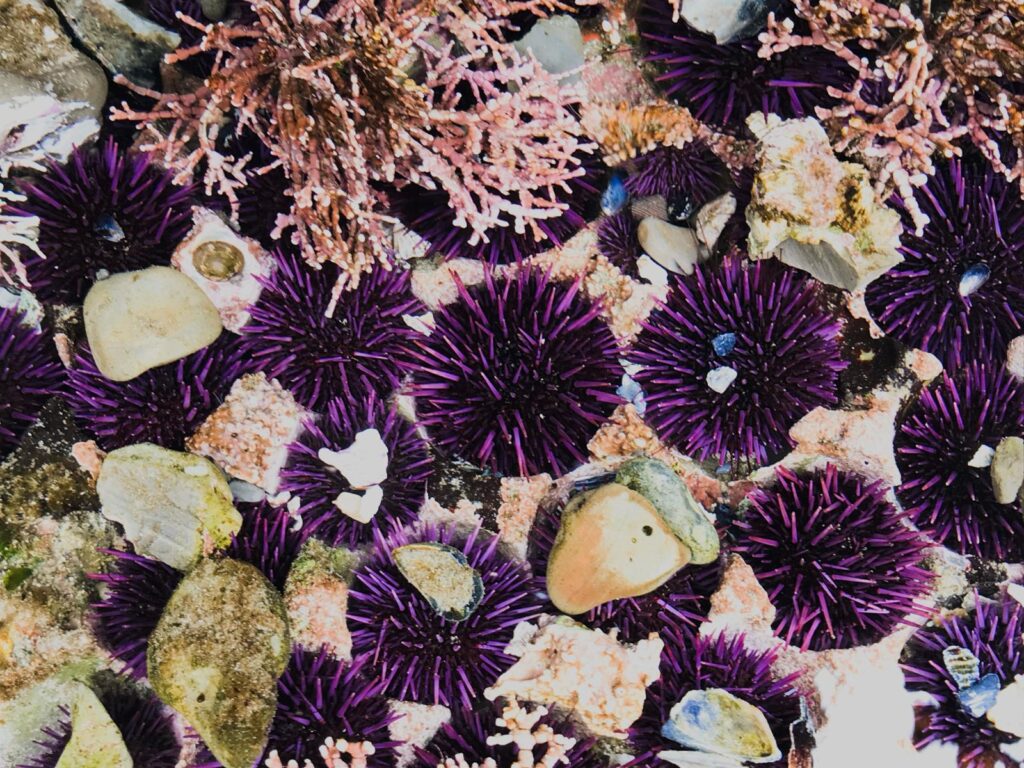
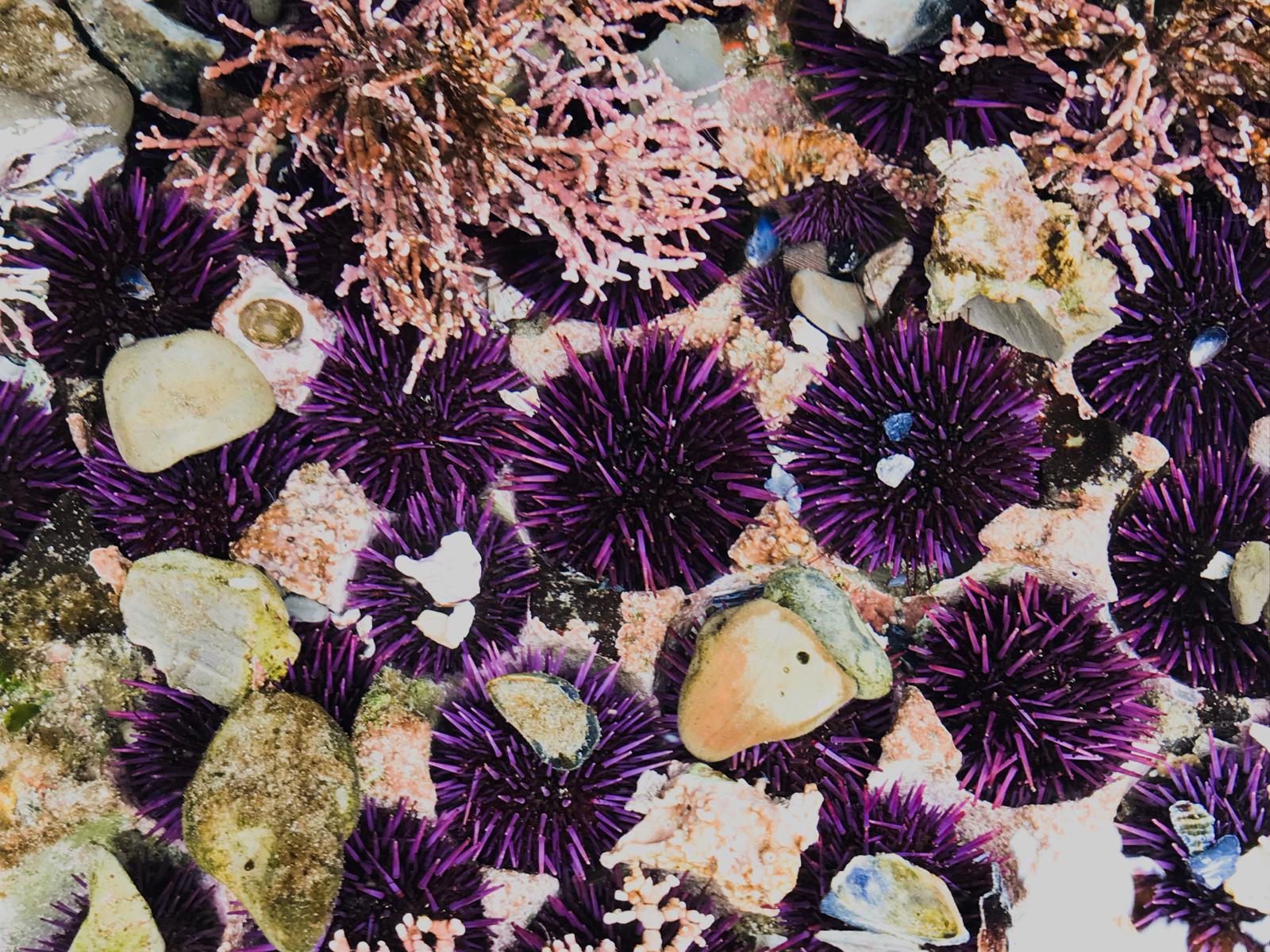
A cluster of purple urchins in the intertidal zone, wearing various “hats” in Montaña de Oro State Park, Los Osos, California. Photograph captured by me, ©LivInSeas, 2021.
Where Did the Sunflower Sea Stars Go?
Starting in 2014, kelp forests along the California coast experienced catastrophic declines of up to 95%. This was due to a multi-year marine heatwave which occurred in the mid-2010’s, otherwise known as “The Blob”.
The Blob altered circulation patterns in the ocean. The California coast is well-known for its characteristic ocean circulation patterns. California’s famous upwelling currents provide nutrient-rich waters that sustain rich, diverse habitats like kelp forests.
But, kelp was not only directly impacted by changes in temperature and nutrients during the heatwave. Indirect effects may have been much more responsible for the shocking decline.
Sea Star Wasting Disease:
The striking sunflower sea star was once one of the most iconic sights of the west coast’s kelp forests. But, in 2013, they began to vanish, dissolving into grotesque, liquified ghosts of their former beauty.
The culprit? Sea star wasting disease, a Vibrio bacteria related to the bacteria strains which cause food poisoning or cholera in humans. The disease exploded during the heatwave. More than 90% of sunflower sea stars have been eradicated by the disease, which has killed billions of individuals in up to 20 species of sea star.
Between 2014 and 2022, the purple sea urchin population increased by 10,000%. As the sunflower sea star is rarely found south of Washington State, one of the urchin’s most abundant predators had practically vanished.
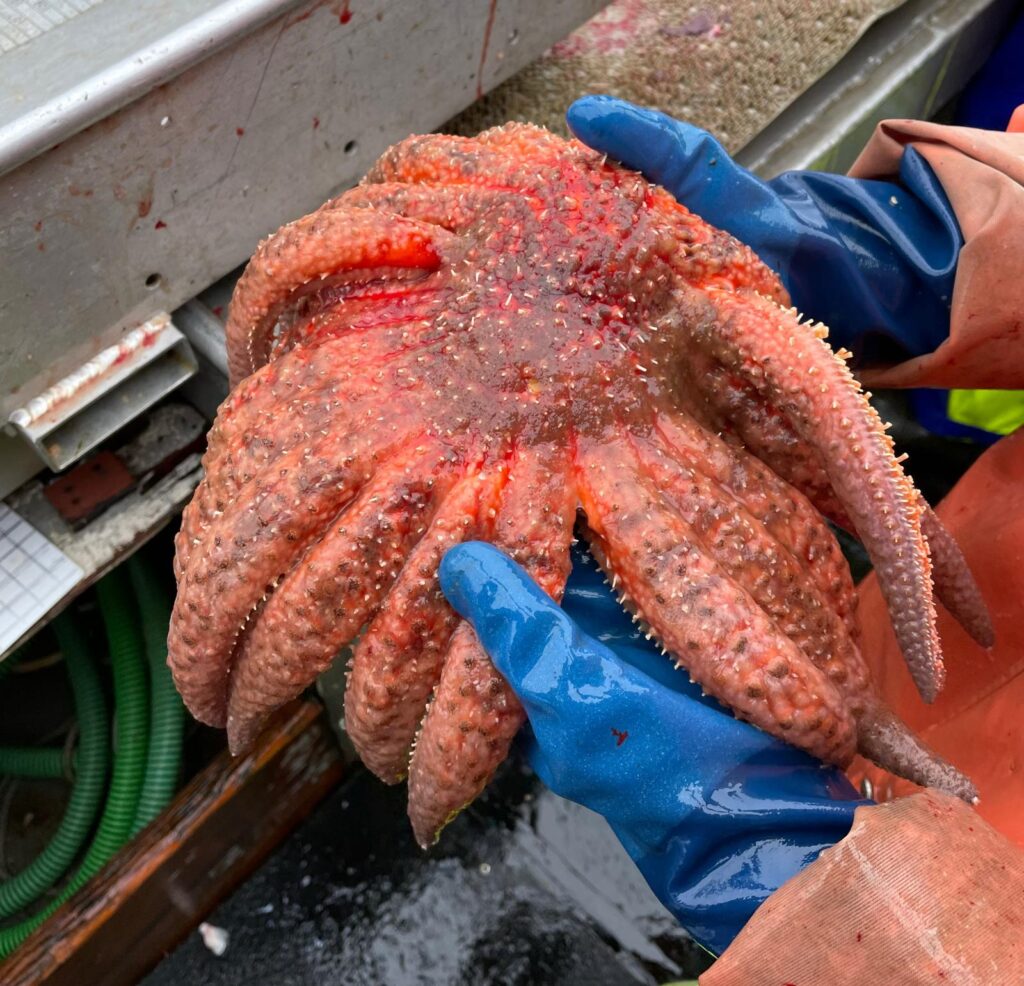
A sunflower sea star, which caught a ride on a piece of salmon bait during a Pacific halibut population survey in British Columbia, Canada. Photograph captured by me, ©LivInSeas, 2022.
Sea otters were still present throughout portions of the ecosystem where sunflower sea stars were impacted. Their abundance and range is still much more limited than their pre-fur trade populations. However, even regions with sea otters experienced dramatic reductions to the kelp forests that corresponded to the sunflower sea star decline.
Research and Restoration Efforts:
The Pacific Coast Ocean Restoration Initiative is a collaborative effort between The Nature Conservancy and its partners and is funded by NOAA Fisheries Office of Habitat Conservation. A primary aim of this initiative is to restore keystone species in kelp forest ecosystems, with a particular focus on the sunflower sea star.
At the risk of making corny Marvel references in the year 2026, seeing the sheer number of laboratories, institutes, and aquariums who are collaborating on this initiative feels a bit like how 13 year old me felt watching The Avengers in theaters. I’ll break down the multi-pronged approach below:
Cultivation and Laboratory Science:
Researchers from the vast network are undergoing an intensive effort to learn how to breed sunflower sea stars in captivity. This ranges from determining husbandry needs to mapping DNA. Scientists are hoping to uncover secrets hidden in the sea star’s genetic code which may make them more resilient to threats like disease and warming.
Scientific Surveys for Wild Populations:
In the meantime, the search is on for more pockets of sunflower sea stars. In 2025, scientific divers discovered four sunflower sea stars in the Greater Farallones National Marine Sanctuary near San Francisco, California. While four is not a large number by any means, it was still massive, exciting news. This sparked a follow-up effort, referred to as Pycnopalooza after the sunflower sea star’s genus, which found 18 individuals!
eDNA – Finding Unseen Individuals:
Additionally, researchers at NOAA’s Pacific Marine Environmental Laboratory developed a rapid environmental DNA (eDNA) detection method for sunflower sea stars. eDNA allows researchers to test seawater samples for traces of DNA emitted by living things. Just like how a significant portion of the air in subways is made up of human skin, organisms living in seawater shed DNA in various forms. eDNA allows researchers to detect which organisms are present in the area, now including sunflower sea stars, without even seeing them.
With the discovery of the bacteria behind sea star wasting disease in 2025, a strong, collaborative restoration effort, and the discovery of wild individuals in 2025 and 2026, the outlook for this once-common, stunning predator of the kelp forests is currently optimistic!
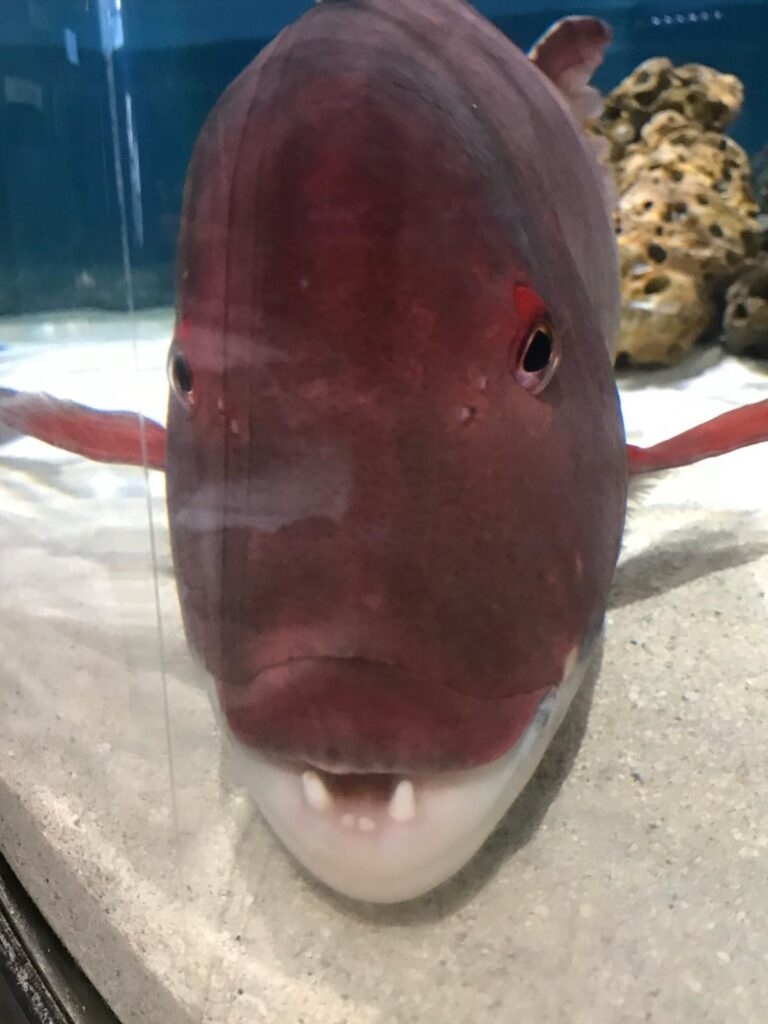
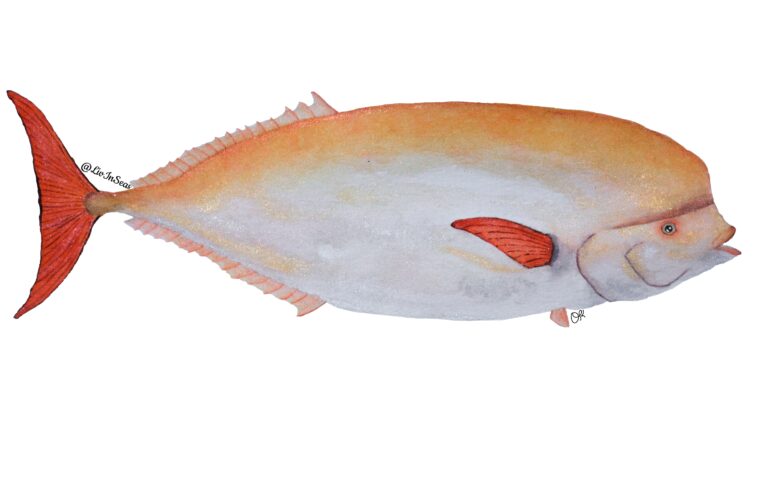
A California sheephead, which previously resided at an aquarium I volunteered at during my undergrad studies. While she was not the most polite fish I’ve ever met, she would eat all of the polychaete worms we dug out of the substrate of other exhibits like a champ. Photograph captured by me, ©LivInSeas, 2021.
My, What Large Teeth You Have!
The California sheephead is definitely not the most beautiful member of the urchin predator coalition. While their juvenile forms are quite cute, with maturity they develop big, sharp teeth and an awkward expression. They are protogynous hermaphrodites, which means all individuals are born as females and morph into males with age, in response to social factors.
These large teeth serve a valuable purpose: cracking open the hard shells of invertebrate prey, with a focus on sea urchins. Sheephead are also considered a keystone species for their role in reducing the risk of urchin outbreaks.
The species experienced population declines from the early 2000’s to the mid 2010’s. Their last IUCN Red List assessment in 2006 categorized them as Vulnerable. However, thanks to commercial and recreational fisheries management and Marine Protected Areas, the sheephead population shows a weak positive growth trend. Thanks to these measures, the populations of another important urchin predator show an optimistic trend.
Learn more about the importance of Marine Protected Areas here!