
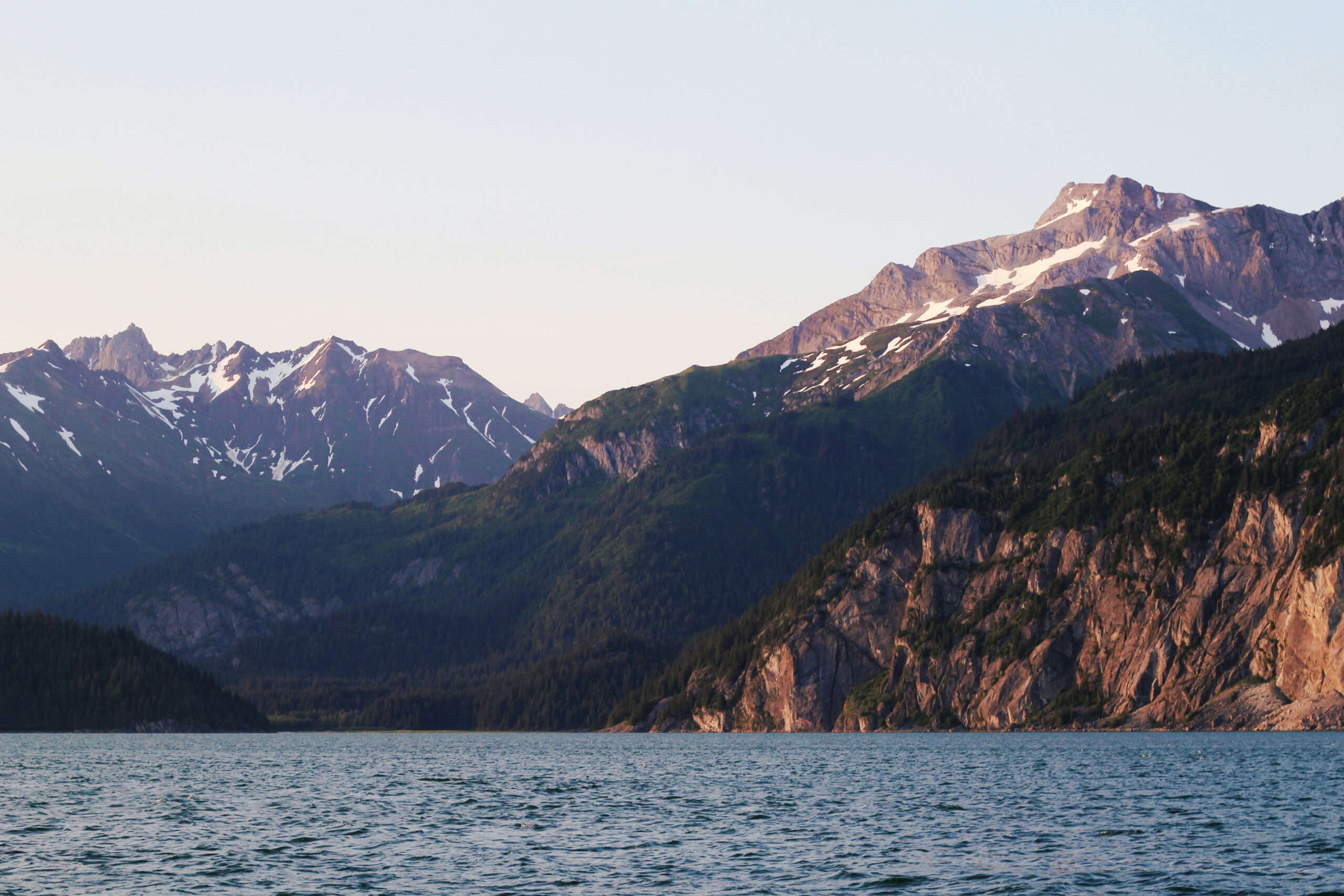
Marine Protected Areas Benefit You, Me, and the Sea
Marine Protected Areas (MPAs) are regions of the ocean set aside and protected to fulfill long-term conservation goals, as defined by the International Union for Conservation of Nature (IUCN).
The ultimate purpose of MPAs is to protect regions of the ocean from detrimental human influence, allowing ecosystems to recover and promoting biodiversity. However, not all MPAs function the same way. Different protected areas may have differing levels of protection, based on the ecosystem’s needs and interests of relevant stakeholders.
How do MPAs protect the ecosystem? How do they substantially benefit human interests? We will learn about a broad, well-established MPA network in South America, a triumph of international collaboration. Then, we’ll skim through California’s ongoing evaluation process ahead of potentially implementing new MPAs. Next, we will talk about Ghana’s brand new, first ever MPA, then end with a discussion about a proposed MPA in Antarctica’s Weddell Sea, which would dwarf all others before it. Let’s dive in!
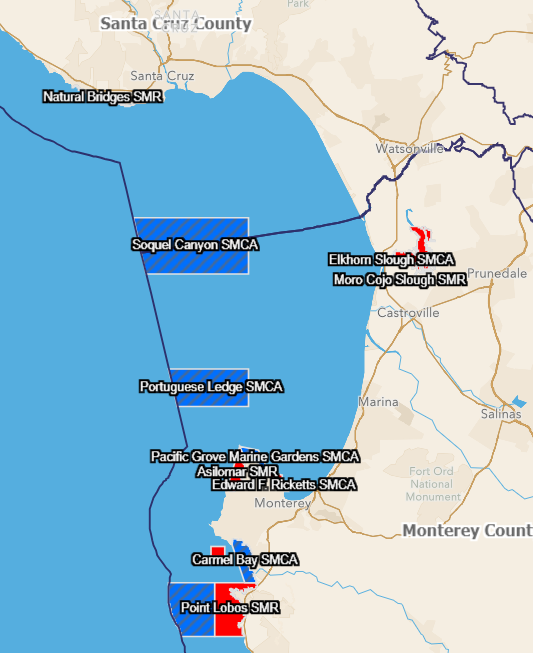
The Marine Protected Areas of Monterey Bay, California. Map retrieved from California Department of Fish and Wildlife.
Differing levels of protection within MPAs may permit or restrict certain activities from occurring within the zones. The following designations are adapted from Ocean Tracks:
Protection Levels:
- Multiple Use: Certain extractive activities (such as fishing) are allowed under strict regulations.
- No-Take: Extractive or destructive activities are prohibited, although people are still able to visit the area.
- “No Go”: Areas where entry is fully restricted outside of permitted research activities.
Protection Duration:
- Permanent: Protected indefinitely. Requires further legislation to strip protection.
- Conditional: Renewal is reviewed periodically to ensure the MPA is meeting its objectives.
- Temporary: Designed with short-term conservation goals in mind, such as the recovery of a vulnerable population.
Variations:
- Year-Round: MPAs with full-time coverage.
- Seasonal: MPAs which protect regions during specific time periods when processes important to the broader ecosystem may be occurring, such as spawning.
- Rotating: MPAs which shift across geographic regions to implement short-term conservation goals across a broad region without closing the entire region.
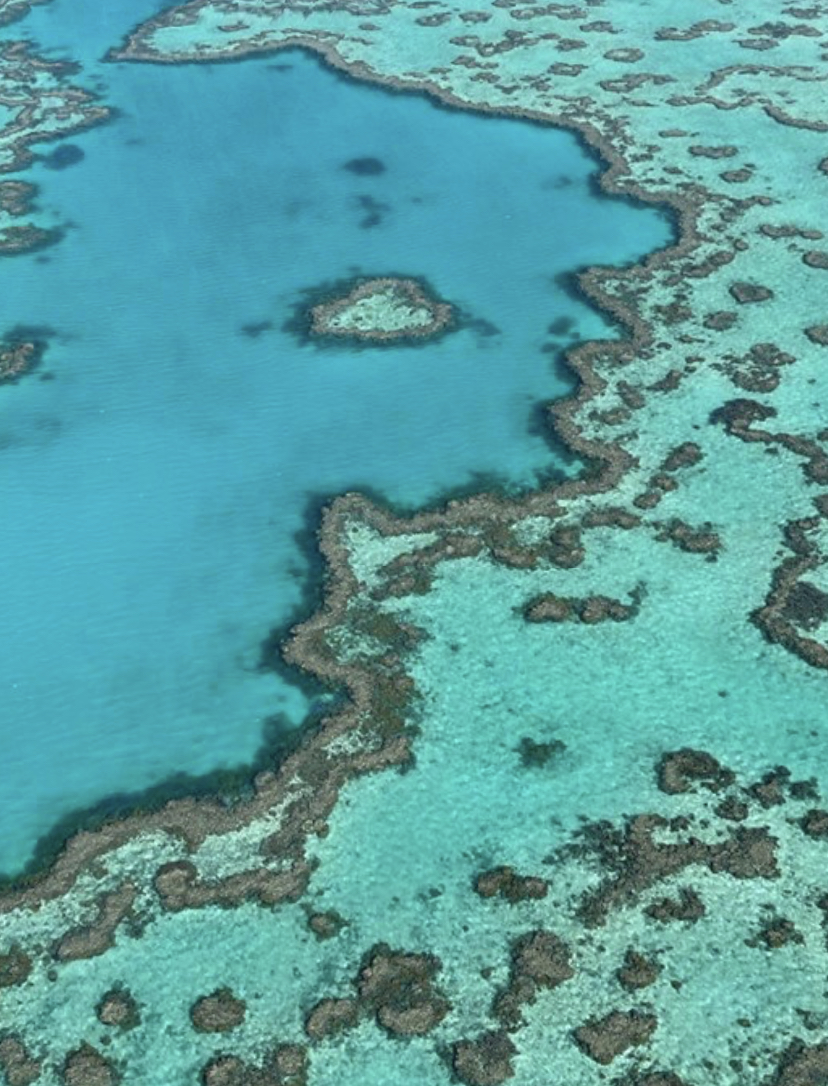
Heart Reef and Lagoon in the Whitsundays Queensland. The Great Barrier Reef, one of the largest MPAs globally. Certain regions of the GBR are designated as “no go” areas, only open to permitted scientific activities. Alphasauce, CC BY-SA 4.0 <https://creativecommons.org/licenses/by-sa/4.0>, via Wikimedia Commons.
Positive Impacts of MPAs:
MPAs can protect vulnerable regions from threats such as overfishing, litter, and water pollution. Additionally, MPAs ensure biodiversity and protect vital habitat. Effectively-managed MPAs ensure that marine species living within those regions can fulfill their life cycles while protected from detrimental, direct human influence.
Strategically-implemented MPAs can protect vital spawning or nursery habitats. Networks of multiple MPAs are able to achieve conservation goals more effectively than individual MPAs. Marine organisms often move throughout different habitats during the course of their life cycle. Implementing a network of neighboring MPAs benefits the health and diversity of an ecosystem.
Benefits for human interests:
On average, species size, diversity, and density increases within no-take marine reserves. These organisms don’t always stay within the confines of the MPA. Regions surrounding MPAs experience growth in fish stocks, which leads to subsequent increases in fishing yields. This is referred to as the spillover effect.
In addition, these healthy ecosystems can also benefit human communities, providing valuable ecosystem services. Coral reef habitats can reduce flood damages by protecting coastlines. In the United States, hazard risk reduction directly attributed to coral reefs is estimated to exceed $1.8 billion annually. These ecosystem services protect coastal human settlements from extreme weather events, which are projected to increase in frequency alongside further climate change.
Healthy coastal and marine ecosystems also sequester carbon over long timescales by storing away atmospheric carbon dioxide into sediments or deep waters. These are referred to as “blue carbon” ecosystems. Successful ecosystem preservation can improve blue carbon functionality, which can additionally mitigate climate impacts.
The Eastern Tropical Pacific Marine Corridor:
The Eastern Tropical Pacific Marine Corridor (CMAR) is an international initiative aiming to establish networks of MPAs to safeguard migratory species along their journeys. The corridor was jointly established between Ecuador, Costa Rica, Colombia, and Panama.
The region, which extends across the exclusive economic zones (EEZs) of all three countries, is demonstratively ecologically connected through a number of migratory species. These include different species of turtles, sharks, and whales, as well as the giant manta ray.
Migratory species don’t adhere to boundaries such as EEZs. As such, management of these species can be difficult. Cooperation and governance at an international level is required for the most effective management of these populations.
The ultimate goal of the CMAR initiative is to establish long-term protection for over 30 million hectares of ocean. The initiative serves to tackle complicated conservation challenges, including illegal and unsustainable fishing practices and biodiversity loss.

The Galapagos Islands, which are located within one MPA in the CMAR network. Galapagos_Islands_topographic_map-de.svg: Eric Gaba (Sting – fr:Sting), translated by NordNordWestderivative work: MatthewStevens, CC BY-SA 3.0 <https://creativecommons.org/licenses/by-sa/3.0>, via Wikimedia Commons.
California State: Evaluating New MPA Proposals
The California state government is currently in the process of reviewing its MPA network. California is the first state in the United States to establish a MPA network, with the aim of preserving and restoring marine ecosystems. Currently, MPAs cover 16 percent of California state waters. In total, between MPAs, tribal stewardship areas, and regions effectively managed with a focus on biodiversity, 21.9% of California’s coastal waters are considered to be conserved. California has pledged to protect 30 percent of its lands and coastal waters by 2030.
California completed a ten-year review of its MPA network in 2022. The review found that MPAs are meeting their expected goals: improving biodiversity and providing various climate benefits.
In 2023, the state publicly called for petitions to expand, add, or subtract from California’s MPA network. In total, the public submitted 2o petitions.
From the initial review, legislators implemented several proposed changes, including the reclassification of a marine conservation area in Marin County into a better-protected marine reserve. This decision aims to protect biodiversity within ecologically-crucial eelgrass beds in the area. Additional changes clarified regulatory language to enhance public understanding of protected tidepool regions.
Currently, California Department of Fish and Wildlife is still considering five tribal-led proposals. These proposals include designations of State Marine Conservation Areas at Point Sal and near Mishopshno/Carpenteria.
Public comments regarding these five proposals are split. Some stakeholders approve of enhanced protections which support California’s biodiversity goals, while others have concerns regarding the status of commercial and recreational fishing activities.

A kelp forest in the Monterey Bay National Marine Sanctuary. Chad King, National Marine Sanctuaries, Public domain, via Wikimedia Commons.
Ghana’s First MPA:
In April 2026, Ghana declared its first MPA in the Greater Cape Three Points area of the Western Region. This MPA will cover 703 square kilometers (271.4 square miles).
The region is an important spawning and nursery ground for fisheries-relevant species. For this reason, this new protective measure aims to restore important fish populations, which are at risk of collapse due to years of overfishing.
The MPA will have several zones. Within the core zone of the protected area, no fishing will be permitted. Other multiple-use zones will allow for fishing and other activities, but under strict regulations.
Ghana’s Minister for Fisheries and Aquaculture, Hon. Emilia Arthur, declared that the MPA is a national triumph, describing it as “not an end, it is a beginning. The beginning of a network. The beginning of restoration. The beginning of a new social contract between people and the sea. Let this be our legacy: that at a critical moment, we chose courage over complacency, stewardship over exploitation, and the future over the present.”
In Ghana, fish makes up over 60% of animal-based protein in the local diet. MPAs directly benefit fish stocks in the surrounding areas, improving fish yields. As such, this conservation measure will help restore an important food source for Ghanian people.

Boats returning from fishing into Elmina, Ghana’s third largest fish landing site located to the east of the MPA. Isaac Ayensu, CC BY-SA 4.0 <https://creativecommons.org/licenses/by-sa/4.0>, via Wikimedia Commons.
Weddell Sea Proposed MPA:
In 2018, Germany presented a proposal to the Commission for the conservation of Antarctic Marine Living Resources (CCAMLR) advocating for the creation of a MPA spanning 2.2 million square kilometers (~850,000 square miles). If implemented, this would be the largest MPA in the world. The MPA stretches 1.45 times larger than Alaska and 6.2 times larger than Germany, with the aim to protect a massive ecosystem.
An extensive body of research exists to validate the implementation of this MPA.
Sensitive populations of emperor penguins rely on krill populations to survive. But, they are currently forced to compete with fisheries for their deteriorating food source as they also grapple with habitat loss.
Large aggregations of whales migrate to the region to feed on depleting prey stocks. Following industrial whaling, these ancestral feeding grounds have fueled their population recovery.
Near an ice shelf in the southern Weddell Sea, researchers discovered the world’s largest known fish breeding area. Based on observations of the nesting fish, the area is thought to support 60 million icefish.
However, in spite of the clear and extensive body of evidence spanning many decades, this proposal has still not been adopted by CCAMLR. In order to approve the implementation of the MPA, all 27 member states must achieve consensus.
The vast majority of member states support this initiative. Despite this, Russia and China continue to reject the proposal. They cite impacts to their fishing interests, including the exploitation of ecologically-important krill and fish.
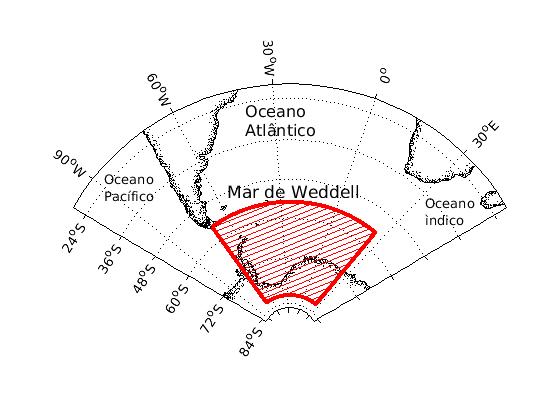
The Weddell Sea (Portuguese: Mar de Weddell). The proposed MPA would take up the majority of this designated area. Marie Massarico, CC BY-SA 4.0 <https://creativecommons.org/licenses/by-sa/4.0>, via Wikimedia Commons.
Why Implement a MPA?
Direct threats to the Weddell Sea could be mitigated through the implementation of the proposed MPA. Human activities put pressure on an already-vulnerable Southern Ocean, reducing the ecosystem’s resilience to climate change.
Commercial Fishing (Krill):
Last year, krill fishing reached its annual quota for the first time ever. CCAMLR member states were unable to reach a consensus on crucial conservation measures which regulate krill fishing and attempt to limit ecosystem impacts. As such, limited regulations were set for the krill fishery during the 2025 season. Krill are one of the most important species in Antarctic waters, comprising an estimated biomass of 500 million metric tons. They feed top predators like whales, seals, penguins, seabirds, fish, and squid. Consequently, reductions in krill populations would have a massive, detrimental cascading impact up the entire food web.
Tourism:
Additionally, Antarctic tourism is exploding in popularity. While it may foster public support and education, Antarctic travel generates massive levels of emissions and can disturb wildlife. Antarctic tourism can directly alter the behavior of penguins during their crucial breeding seasons. Increased levels of stress can not only harm individuals, but it may also cause them to desert their chicks and eggs, leaving them vulnerable to predation or exposure.
Anchors and chains also have detrimental impacts on seafloor habitats. Antarctic seafloor communities are notoriously slow to recover from disturbance. While out of sight, these communities are massively important players in the oceanic carbon cycle. Increasing numbers of ships visiting the Antarctic for reasons such as tourism or fishing will only further stress these vulnerable ecosystems.
In summary, implementing a MPA covering the Weddell Sea would have a strong, positive impact on this vital and fragile ecosystem. These protections would alleviate unnecessary, anthropogenic strains on the ecosystem.
To maximize resilience against broader impacts of climate change, the Antarctic requires protection. Unfortunately, this protection continues to face unnecessary delay due to the human interests of the present.

A Weddell seal mother and pup. These seals rely on toothfish for their diet, a species heavily commercially fished by humans. Implementing a Weddell Sea MPA would only benefit seal populations as they experience less competition for a vital food source. William Link, U.S. Geological Survey from Reston, VA, USA, CC0, via Wikimedia Commons.



.jpg)


.jpg)